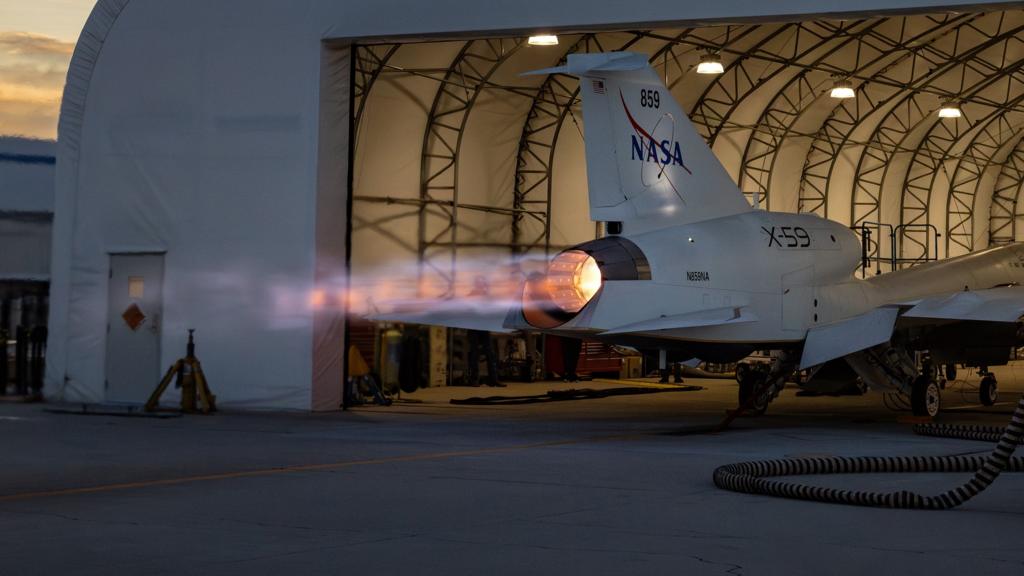
The United States continues to invest in X-plane projects, which have long served as a cornerstone of experimental aviation research. These programs are designed to test advanced flight technologies and push the boundaries of aerospace engineering.
However, the rapid rise of drone technology has introduced new variables into the defense landscape. Because drones are increasingly available at a low cost, their widespread adoption has prompted a re-evaluation of traditional experimental aircraft development.
The current debate centers on how these high-cost X-plane initiatives align with the modern era of inexpensive, unmanned aerial systems. Observers are questioning whether the strategic value of experimental manned or large-scale aircraft remains relevant when compared to the efficiency of drones.
As the military and aerospace sectors adapt to these technological shifts, the future of X-plane development remains a subject of scrutiny. The primary challenge involves determining where these experimental projects fit within a defense strategy increasingly dominated by drone capabilities.