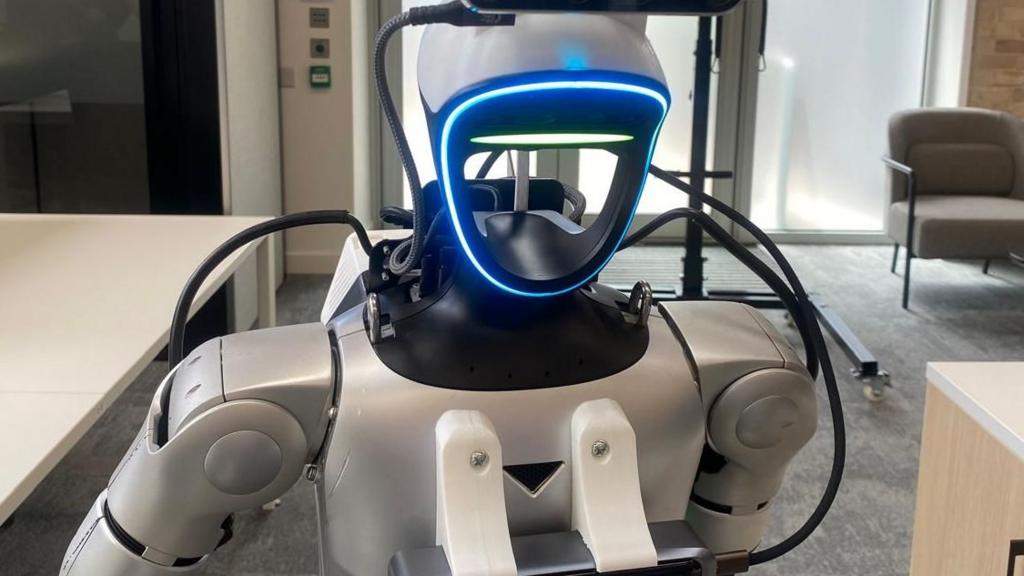
The development of robotic technology is increasingly reliant on sophisticated virtual environments. These digital spaces serve as critical testing grounds for machines intended for real-world application.
Training systems are currently being utilized to prepare robots for the complexities of physical environments. By simulating real-world scenarios, these platforms allow for more effective machine learning and behavioral refinement.
The sophistication of these virtual training systems is growing as the industry seeks to improve robotic performance. This progress is essential for ensuring that robots can successfully negotiate the challenges found in the physical world.
As these virtual worlds become more advanced, they provide a controlled setting for testing robotic capabilities. This approach remains a primary method for enhancing the operational skills of robots before they are deployed in real-world settings.